The edit as exchange: cutting a film with no words

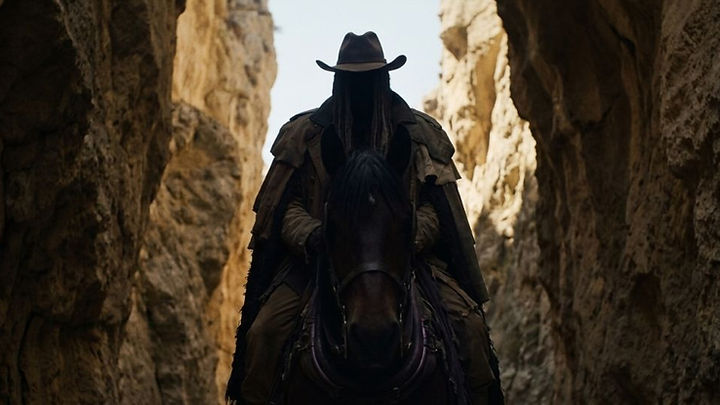
No dialogue means the cut carries the story. How the edit was built around the exchange — wound for silver, table for soul.
The cut carries the story
The Finding has no dialogue. This means the edit is not a support for the story — the edit is the story.
The film is built around a single exchange: a wound for a silver, a table for a soul. The edit had to make that exchange legible without a single line of explanation.
How the edit was structured
The film follows two parallel objects: a thing found in the ground (the trovatura), and a thing offered on a wall (the ex voto). The cut moves between them, building the logic of the exchange:
- The find — the treasure is discovered.
- The offer — the devil appears, not with power but with ordinary things.
- The exchange — a woman gives an eye and sews a body from the clothes of the dead.
Each act was cut to land on the material object, not on the character's reaction. You see what is given, not how someone feels about giving it.
Sound design as the missing voice
With no dialogue, the sound design carries what the image refuses to say. The ambient sound — wind, stone, the creak of a church — fills the silence without explaining it.
The music was also generated with AI, and then shaped to match the cut. It follows the exchange without leading it.
— Vincenzo Lo Re